International Border Area Peoples Welfare Organisation
Working with communities for a better tomorrow, fostering resilience and sustainable growth across border regions.
Working with communities for a better tomorrow, fostering resilience and sustainable growth across border regions.
To enhance the quality of life among tribal communities—especially youth, women, and children—by ensuring access to rights, opportunities, and development through peaceful coexistence.
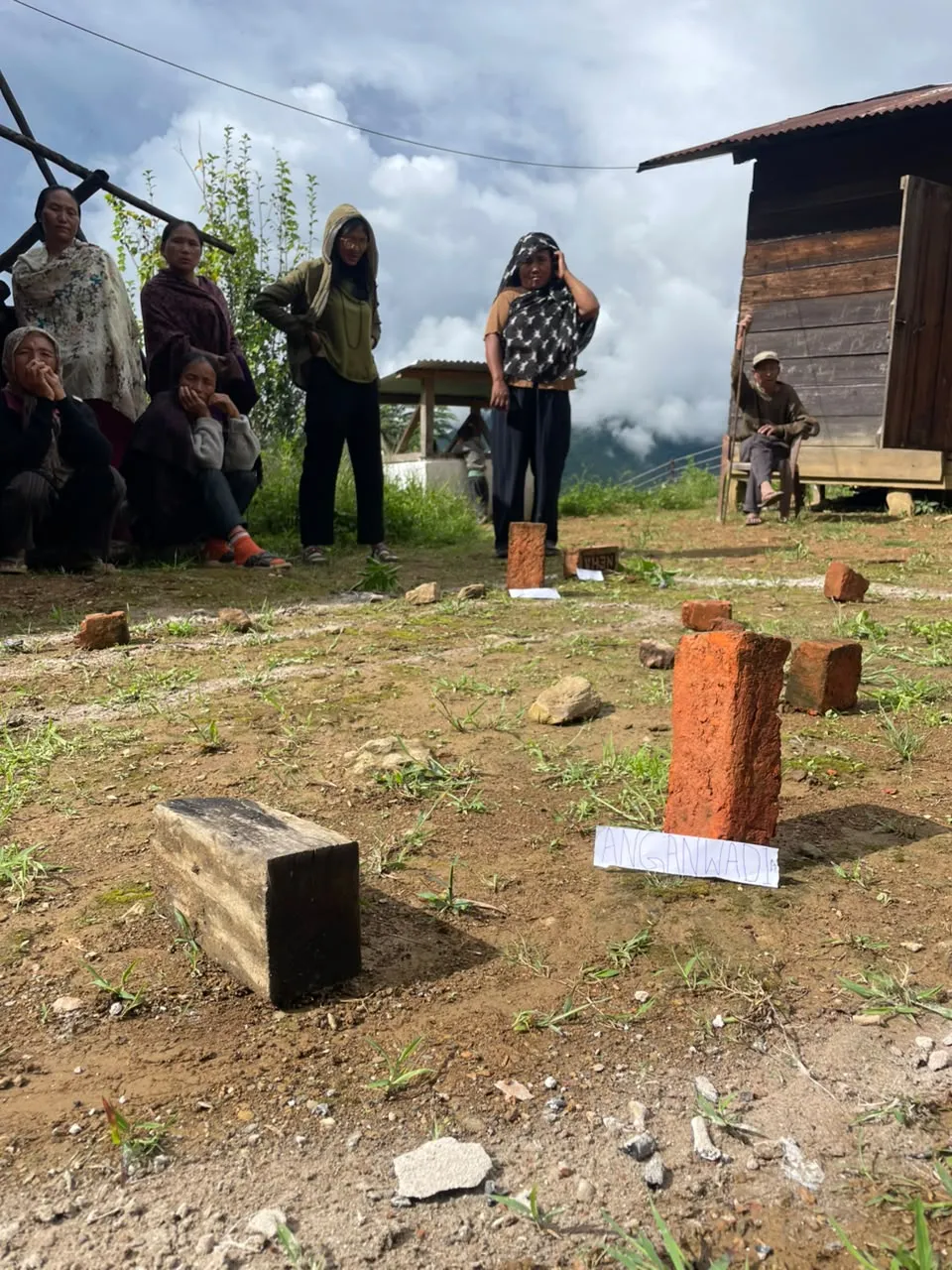
At IBAPWO, we believe communities should be active participants in shaping their own development. Our work begins with understanding local needs, listening to community voices, and identifying challenges together with the people most affected by them.
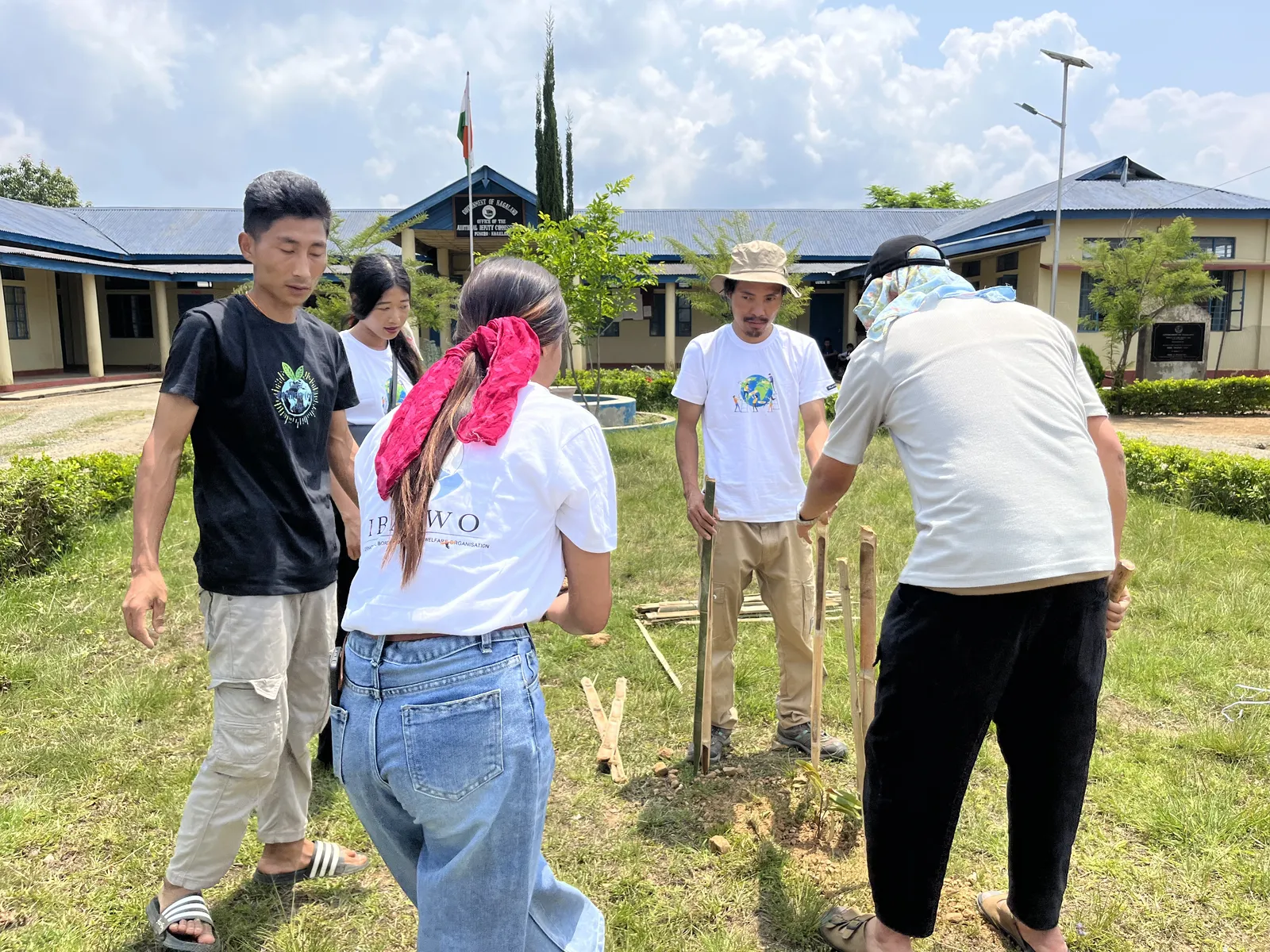
We support community-led initiatives that build on local knowledge, traditional practices, available resources, and existing capacities. By working with community institutions, youth, women, farmers, and other local stakeholders, we aim to develop practical, inclusive, and sustainable responses to local challenges.
Involving people in identifying needs, setting priorities, and shaping solutions.
Developing initiatives that respond to the social, economic, cultural, and environmental realities of each community.
Promoting meaningful participation and opportunities for women, youth, children, and vulnerable households.
Recognising traditional knowledge, skills, and community institutions as important resources for development.
Working with local institutions, civil society organisations, and development partners to strengthen long-term community resilience.
To address the needs and challenges of border communities through community-led solutions that foster dignity, resilience, and sustainable development.
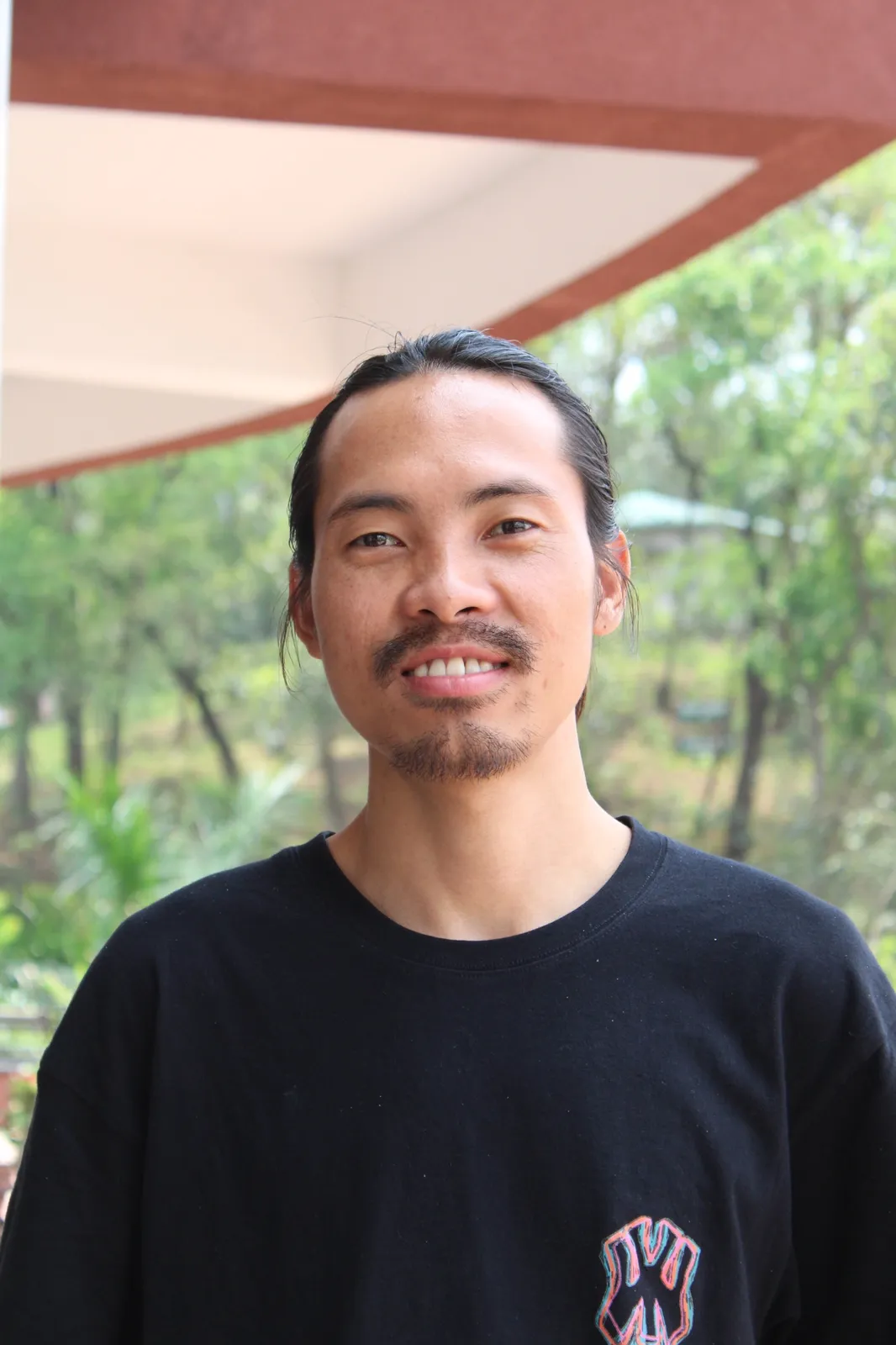
Chief Functionary of IBAPWO
N. Apong is the Chief Functionary of International Border Area Peoples Welfare Organisation (IBAPWO), a grassroots organisation working for the welfare and sustainable development of border communities in Nagaland. He holds a Bachelor of Science degree in Chemistry from St. John College. Before entering the development sector, he worked with reputed corporate companies including Tata Consultancy Services (TCS) and Encore Capital Group, gaining professional experience in administration, communication, and management. Coming from a remote Indo-Myanmar border village in Kiphire District, Nagaland, he returned to work for marginalized communities through conservation and livelihood initiatives. He is a recipient of the GreenHub x Royal Enfield Conservation Grant 2024. He is also a Fellow of the Youth Involve Fellowship and the beVisioneers Fellowship supported by Mercedes-Benz. His work focuses on environmental conservation, sustainable livelihoods, youth engagement, and community empowerment in border areas.
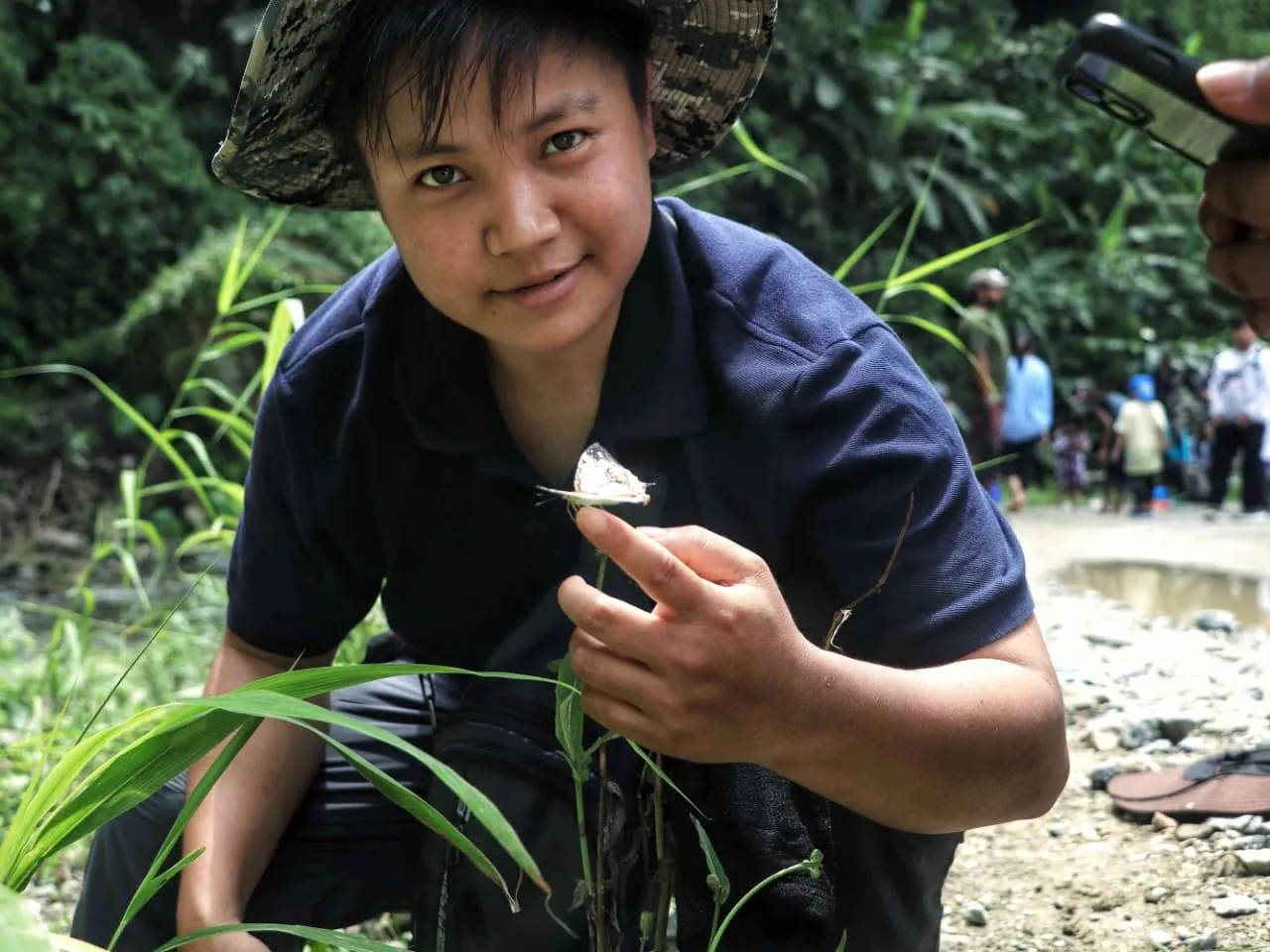
Coordinator
Sara Khongsai, Coordinator, IBAPWO is a documentary filmmaker and conservation practitioner with a background in social work, livelihoods, and community development. She holds a Master’s degree in Social Work, specialising in Livelihoods and Social Entrepreneurship, from the Tata Institute of Social Sciences, Guwahati.Her work focuses on biodiversity conservation, Indigenous knowledge, cultural heritage, and community-led development. A Green Hub alumna, she has experience in documentary filmmaking, visual documentation, research, project coordination, and community engagement across Northeast India. Her film Water For Life received the Trustee Choice Award at the TVE Global Sustainability Film Awards in 2022 and was also nominated in the Water Conservation Category at the 12th CMS Vatavaran in 2024. Through her work, Sara aims to strengthen community participation and use storytelling and documentation to support conservation, preserve cultural heritage, and promote sustainable livelihoods.
Cluster Coordinator
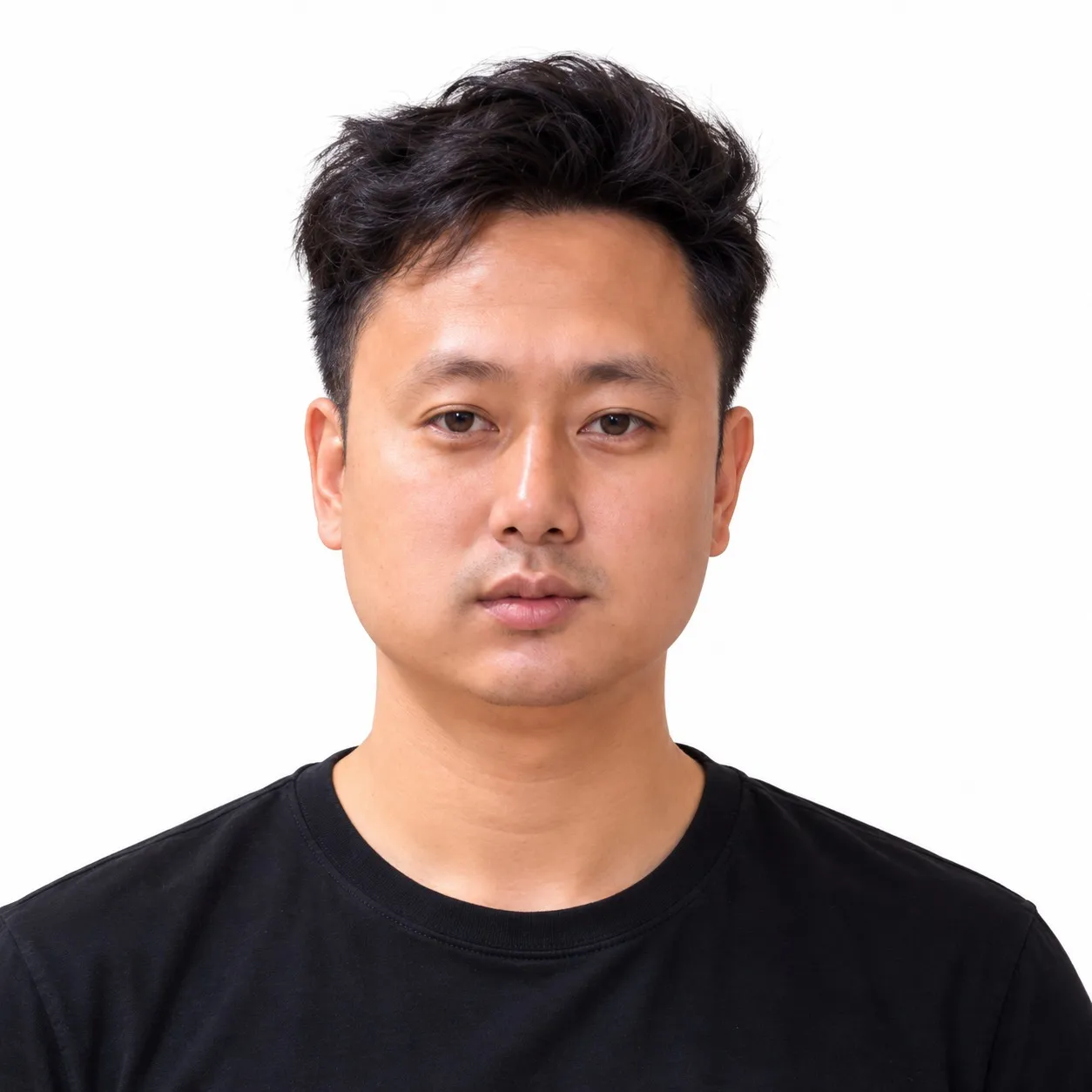
A. Thsipentsu Yimchunger holds a B.Sc. degree from Patkai Christian College (Autonomous). He has joined IBAPWO as the Cluster Coordinator and is a grassroots community leader with a strong understanding of the Mimi Area and its communities. With six years of leadership as President of the Khongjiri Students’ Union, three years of teaching experience, and three years and six months of field experience as Senior Field Executive-WASH with North East Initiative Development Agency (NEIDA), he brings valuable skills in community engagement, fieldwork, and local leadership to the proposed conservation research.
We are grateful to the organisations that support our work with border communities.